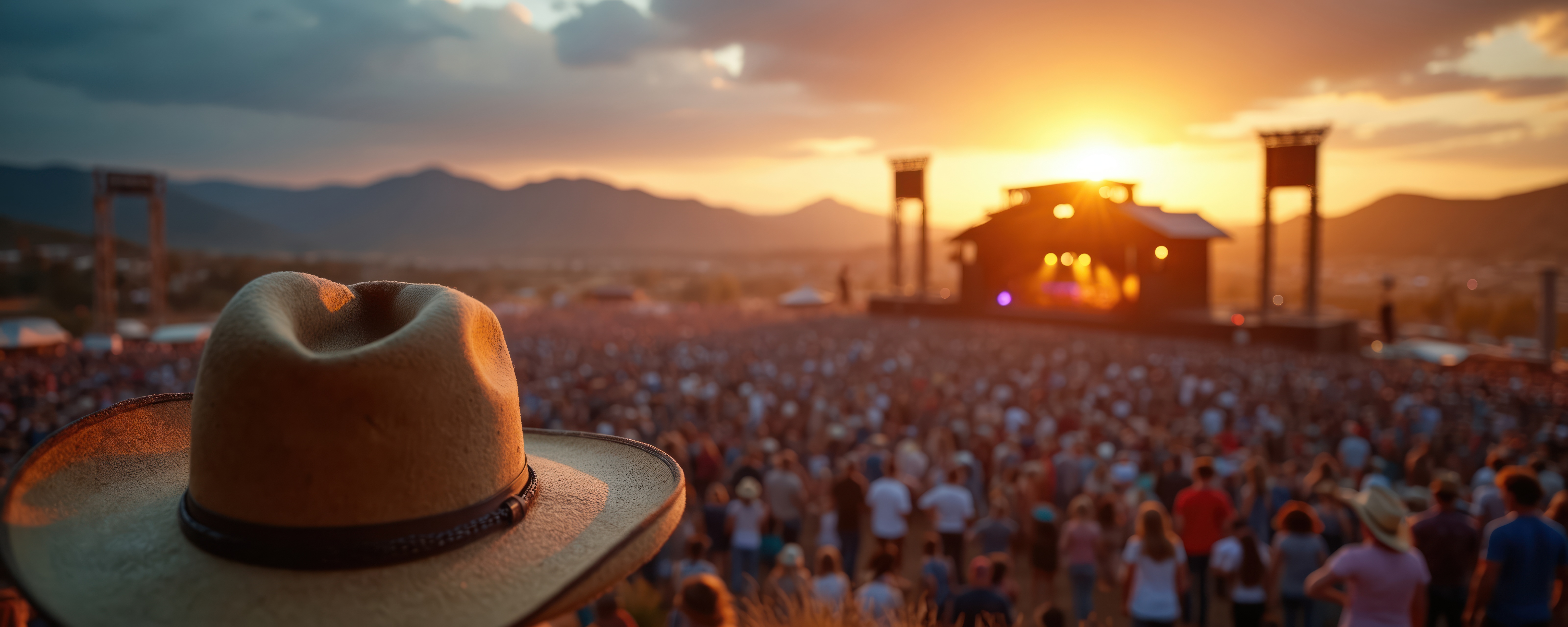
Last summer, I found the exact rotomolded cooler I wanted at a great price for an upcoming road trip. It was perfect—and yet I nearly abandoned the purchase over the $5 shipping fee. I swallowed my frustration and clicked “buy.” Two weeks later, on that same road trip, I attended an outdoor concert at a beautiful venue along the Deschutes River and happily shelled out$18 each for two drinks and another $40 for lawn chair rentals. Does my brain fail at math?
Actually, my brain was working perfectly—it was calculating not just price, but perceived value. Yes, the drink cost less than half that down the road, but the value wasn’t just the liquid in the cup for me. It was the electric atmosphere, the sunset sky, the feeling that we would remember this evening for years.
The $5 shipping fee? It felt transactional and without value in a retail world conditioned by free shipping. The shipping fee added cost but provided no perceived benefit. Perceived value is the balance of emotional return against each dollar spent. In the hotel industry, this explains why one guest will pay $500 for one hotel experience, but balk at paying $200 for a different one.
Hotels that continue to price rooms as if the room itself was a commodity have missed a fundamental shift in how guests evaluate their purchases. The room is not the product. It cannot be priced like a commodity where features like square footage, thread count or an in-room coffee maker a retreated as difference-makers across for every guest segment. The room is just one part of the experience package. Its value, and its price, depends on how the room fits into the intended experience the guest is seeking.
Price matters, but it is far from the only factor a traveler considers when evaluating the balance between what they pay and what they receive. While hotels continue to act as if they are selling rooms, guests have collectively shifted to viewing the product they are buying not as the room itself, but as the intention behind the stay—the celebration, the Instagram post, the story to tell.
Some common add-on values might be better views, a separate living or work space, access to the lounge, or a spa package. Every hotel must consider what features and experiences they can offer, regardless of their segment. Luxury guests are not the only ones who have the means and willingness to prioritize experience over price for these kinds of things. A 2025 survey by Expedia reported that 80% of travelers aged 18–34 are willing to pay more for upgrades—like views, tours, or unique amenities—even if they must tighten their travel budget elsewhere to afford it. Just as some guests may surprise us with their willingness to stretch their budget for experiences that truly matter to them, smart guest segment analysis and pricing strategies can unlock price elasticity in unexpected ways.
Room rates can traditionally be set according to costs, demand, and the competitive set. Those fundamentals are still important, but they don’t capture the full range of possibility available when we price based on value perception and the ability to offer social currency that resonates with our guests.
This is where a modern revenue strategy comes in. At Luxe Pricing, we approach revenue management not just as a question of demand forecasting, but by identifying which experiences different segments are willing to pay more for, and dynamically pricing those attributes accordingly.
The Hotel as Hub
Casino resort hotels are fantastic locations to capture the importance of selling perceived value. On a Saturday night in Las Vegas, a player with a $5000 in theoretical gaming value might receive a complimentary room in the hotel. Another guest pays $399 for an identical room across the hall. Both guests feel like they got a great value. The player feels recognized, valued and rewarded for their loyalty. The cash guest feels fortunate to have scored a room on a busy night, and can dive into the entertainment and dining that night. Casinos know that the room is not the product—it is the gateway to the experience.
Hotels that want to win in today’s market do not think narrowly about themselves as a collection of rooms, but rather as a hub of experiences. This means thinking about the range of outcomes and possibilities that can be offered to different guest segments.
Strategic Personalization: Use booking data, stay history and guest preferences to identify the things guest segments value most, and set prices that reflect the value to those guests.
Experience Bundling: “Breakfast included” is not the only experience hotels can offer “Work from Anywhere” and “Wellness Retreat” room packages, or create synergies with events happening on resort properties or in the local area.
Dynamic Inventory and Upgrades: Stop treating upgrades as an afterthought. Position rooms options in different ways for different guests, and utilize software systems like Luxsell to price them dynamically based on demand.
The Path Forward
Remember those $18 drinks at the concert? I wasn’t upset at the price because the experience delivered on its promise. The same principle applies to hotel pricing: when perceived value aligns with price, resistance melts away. Guests don't just accept premium rates—they embrace them, because they believe the experience is worth it. At LuxePricing, we help hotels leverage data-driven pricing strategies that align rates with perceived value across every touchpoint of the guest journey.